



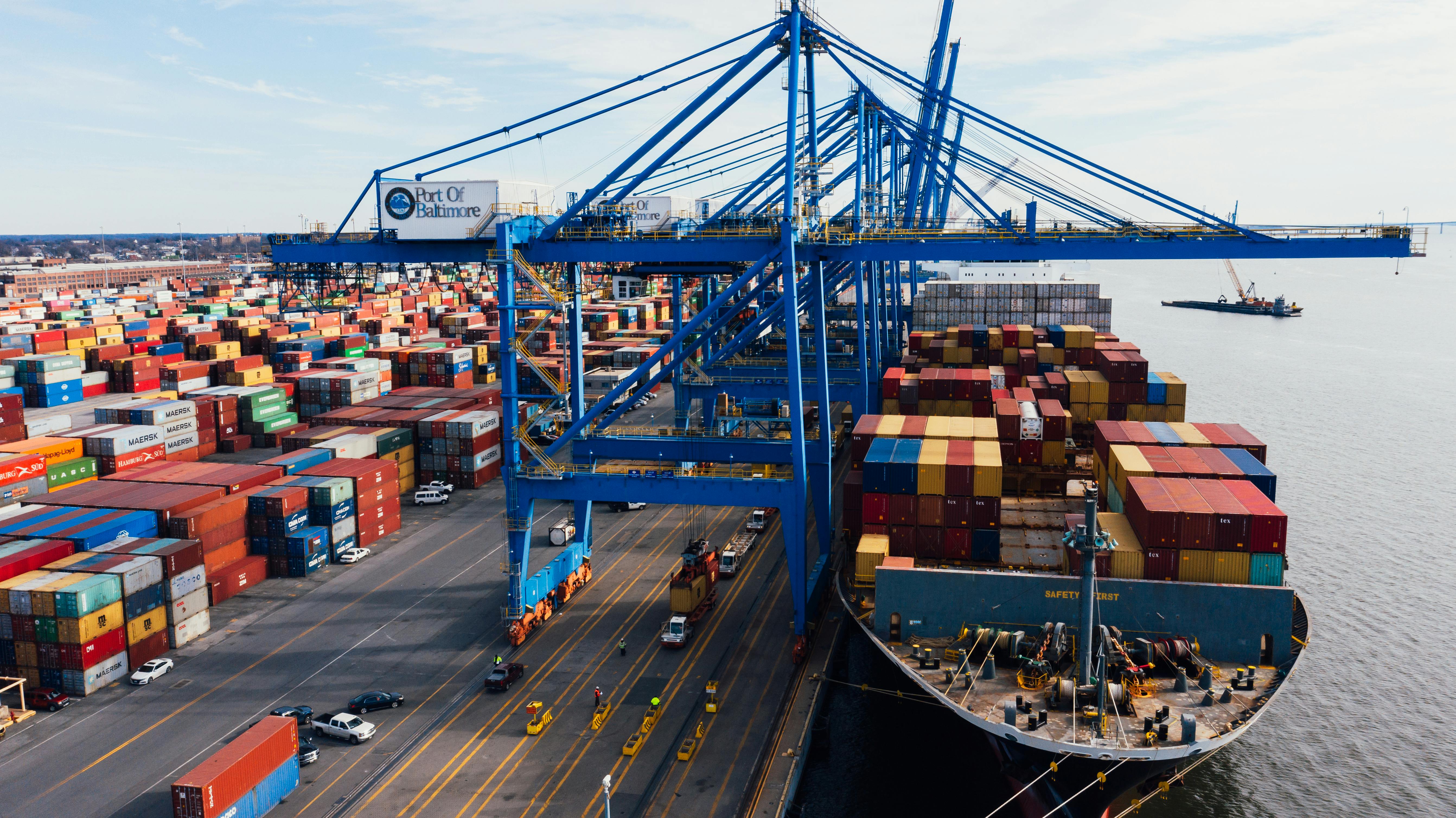

When you think of metal imports, you probably imagine massive containers filled with steel, copper, or aluminum, traveling across the ocean. But have you ever considered how sustainable this process can be? With the growing global focus on environmental responsibility, metal imports are becoming a key player in the movement towards sustainability. From reducing mining impacts to promoting recycling, the benefits of sustainable metal imports go beyond just economic gains—they’re good for the planet too!
Sustainable metal imports: Reducing the Need for Mining
One of the biggest environmental benefits of sustainable metal imports is the reduction in the need for mining. Mining is not only labor-intensive but also energy-hungry and environmentally disruptive. By importing recycled or already processed metals, you help decrease the demand for new raw materials. This means fewer mines have to be dug, and the damage to ecosystems, wildlife habitats, and water resources is minimized. Think of it like a shortcut: instead of going through the entire process of extracting, refining, and shaping raw metal, you import metals that have already been through that cycle. Less mining means less environmental degradation—an easy win for sustainability.
The Environmental Impact: Mining vs. Recycling
Mining raw metals involves extracting ores from the Earth, which sounds straightforward, but it’s a resource-intensive process. You’ve probably heard that mining can be damaging to the environment, and that’s no exaggeration. It requires massive amounts of land, water, and energy, not to mention the destruction of ecosystems and wildlife habitats. Mining activities release greenhouse gases, contribute to soil erosion, and can cause water pollution from toxic chemicals like mercury and cyanide. All of this leads to a hefty environmental footprint.
On the other hand, importing recycled metals is an eco-friendlier alternative. By reusing metals that have already been extracted and processed, you bypass the need for new mining operations. Recycling uses significantly less energy—up to 95% less in some cases, like aluminum recycling. You’re also saving raw materials from being extracted, which helps preserve natural resources. In a nutshell, if you’re looking for a green option, recycled metal is the clear winner in terms of reducing environmental harm.

Energy Consumption: A Big Difference
Mining is an energy-hungry process. Extracting raw metal from the earth requires heavy machinery and energy-intensive processes like smelting and refining. These activities guzzle a massive amount of fuel, contributing significantly to global carbon emissions. So, while mining may seem like a direct route to getting metals, it’s not a particularly efficient one when you factor in the energy costs.
Now, compare that to recycling. When you import recycled metals, the energy required is a fraction of what’s needed for mining. For example, recycling steel uses about 60% less energy than producing it from raw materials. Recycling aluminum, as mentioned earlier, cuts energy use by up to 95%. Think about it: by choosing recycled metal imports, you’re essentially conserving energy on a global scale. So, whether you’re an eco-conscious individual or a business looking to reduce your carbon footprint, recycling metals just makes more sense.
Click here to learn more on energy consumption problem in mining
Cost Differences: Which Option Is More Affordable?
Cost is always a factor, whether you’re an individual looking for scrap metal or a business sourcing bulk materials. Mining comes with a host of expensive operations—think excavation, transportation, refining, and all the manpower needed to make it happen. Plus, with many metals becoming scarcer, the costs of mining are steadily rising.
In contrast, sustainable metal imports are generally more cost-effective. Since the metal has already been processed once, it doesn’t need as much work to be reused. The infrastructure required for recycling is also less complex and costly compared to mining. These lower production costs are often passed on to consumers, making recycled metal the more budget-friendly option. Not only are you saving money, but you’re also supporting a more sustainable supply chain.
Time and Efficiency: Why Recycling Wins
Mining is not a quick process. It can take years to locate new mining sites, obtain permits, and begin extraction. Even once the metal is out of the ground, it must be processed, refined, and shaped into usable forms. The entire process is slow and labor-intensive, involving multiple steps that can drag on for months or even years.
Importing recycled metals, however, is much faster and more efficient. Since the metal is already in circulation, it just needs to be collected, cleaned, and repurposed. Recycling facilities can process metals much more quickly than a mining operation can dig them out of the Earth. For businesses that need a reliable, fast source of materials, recycled metal imports offer a practical solution. In this sense, time really is money, and recycling gives you more of both.
The Long-Term Impact: Sustainability Matters
We can’t talk about the future of metal production without discussing sustainability. Mining is, by its very nature, a finite activity. There’s only so much metal in the ground, and eventually, those resources will run out. Moreover, mining leaves behind permanent scars on the environment, including deforestation, water contamination, and loss of biodiversity.
Recycling, on the other hand, is a more sustainable approach. Metals like aluminum, and copper can be recycled indefinitely without losing their quality. By using sustainable metal imports, you’re helping to create a circular economy where materials are continually reused, reducing the need for virgin resources. Not only does this cut down on waste, but it also ensures that future generations will have access to the metals they need. In the long run, recycling offers a way to meet today’s metal demands without compromising tomorrow’s resources.
Supporting a Circular Economy
Another great thing about sustainable metal imports is how they support a circular economy. A circular economy focuses on reusing and recycling materials to keep them in circulation as long as possible. Metal is a fantastic example of this since it can be recycled over and over without losing its quality. When you import metals that are part of this cycle, you’re not just buying materials—you’re contributing to a sustainable system that keeps waste out of landfills and reduces the need for new resources. This approach means more efficient use of materials and a better future for the planet.
Click here to explore opportunities to use metal scrap in your industry